How to write an electronic press kit (EPK) that gets read
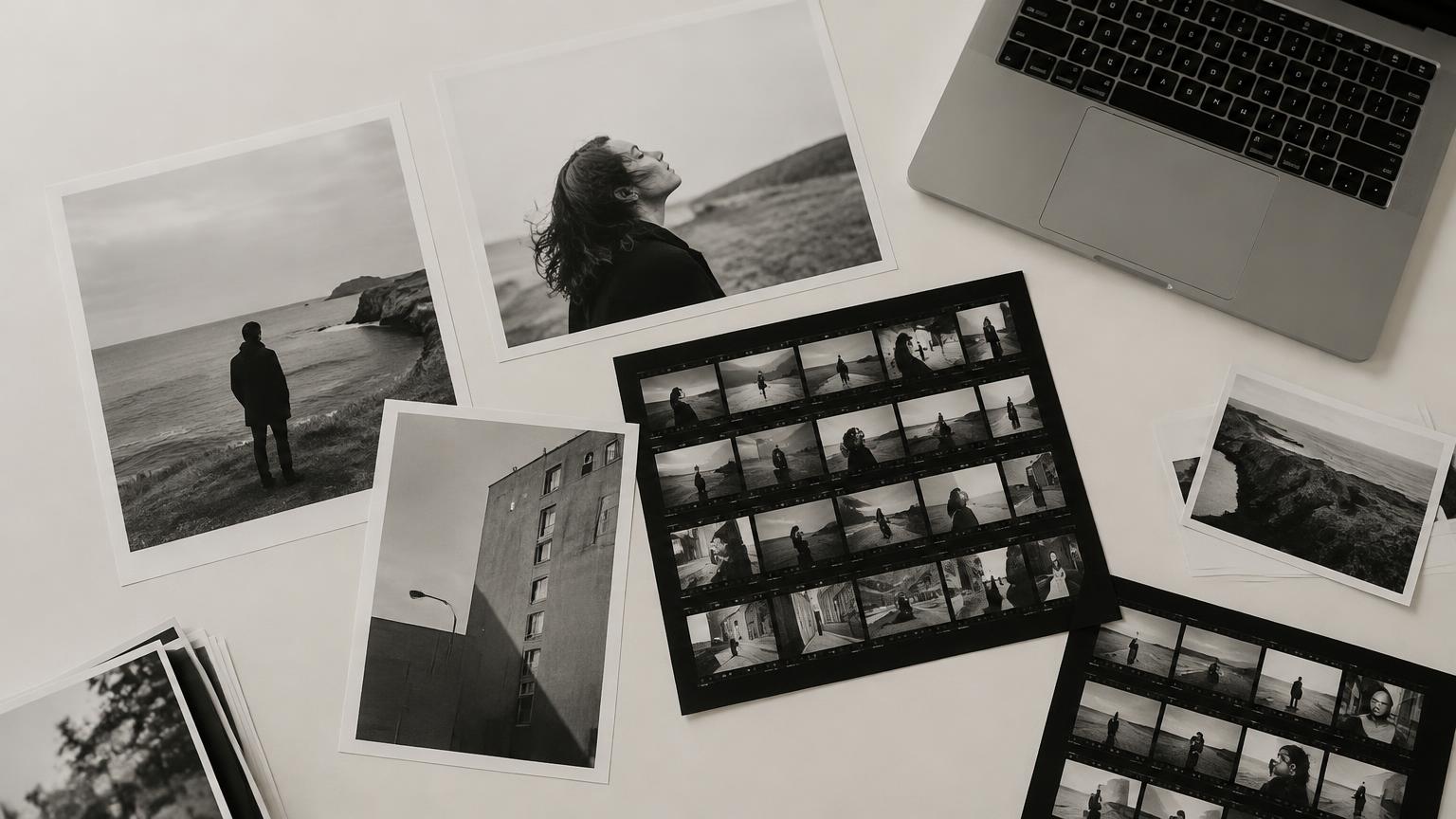
An EPK gives journalists, bookers and curators everything they need in one place. Keep it short, current and easy to use.
An electronic press kit, or EPK, is a single page or document that tells people who you are and gives them what they need to write about you, book you or play you. The people reading it are busy. Make it easy.
What to include
- **A short bio.** Two versions work well: one paragraph, and a longer one of three or four paragraphs. Write in the third person and keep it factual.
- **Music.** Links to your latest release and two or three key songs. Use streaming links, not file downloads.
- **Photos.** A few recent press photos in high resolution, in both portrait and landscape, with photo credits.
- **Video.** A music video or a live clip, if you have one.
- **Highlights.** Real achievements only: notable shows, releases, radio play, press quotes with sources.
- **Contacts.** Management, booking and press, each clearly labelled.
- **Links.** Website and main social profiles.
Write a bio people can use
Journalists often copy lines from a bio. Lead with the most important fact: who you are, where you are from, and what your music sounds like. Then add the latest news. Avoid empty words like "unique" or "genre-defying" and let specific details do the work.
Keep it current
An EPK with last year's single at the top looks abandoned. Update it with every release and every big announcement. Date your bio so readers know it is fresh.
Make it easy to share
A web page is easier to keep updated than a PDF. Make sure it loads fast on a phone, and that photos can be downloaded with one click.
A quick check before sending
Open your EPK as a stranger would. Can you understand who the artist is in ten seconds? Can you find a photo and a contact in thirty? If yes, it is ready.
Planning a release? Read how to plan a release campaign.